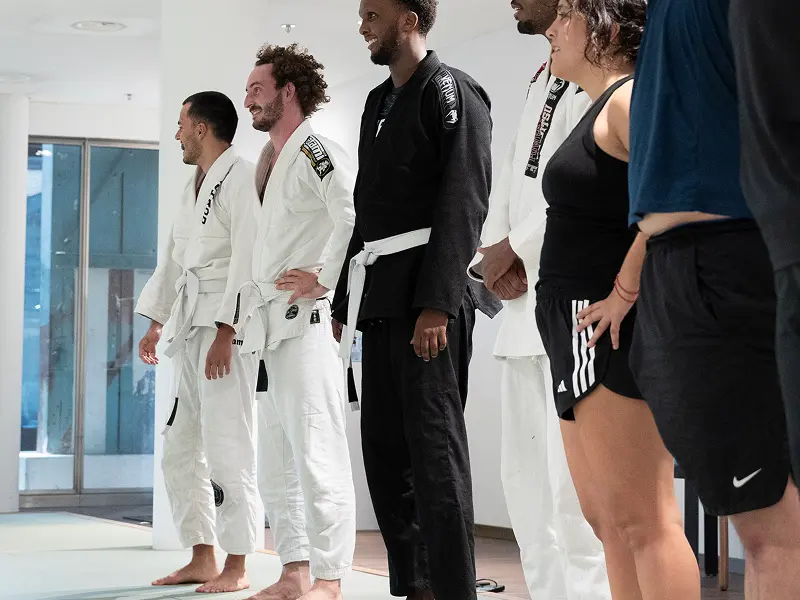
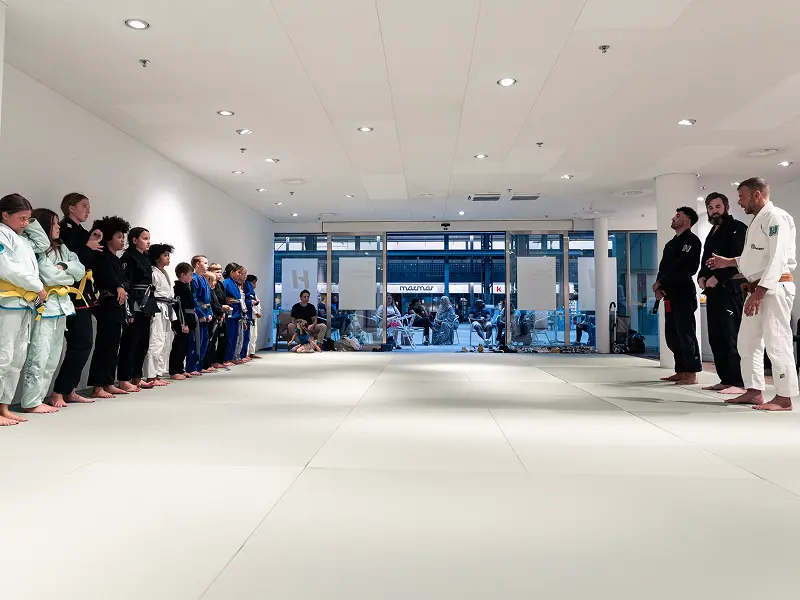
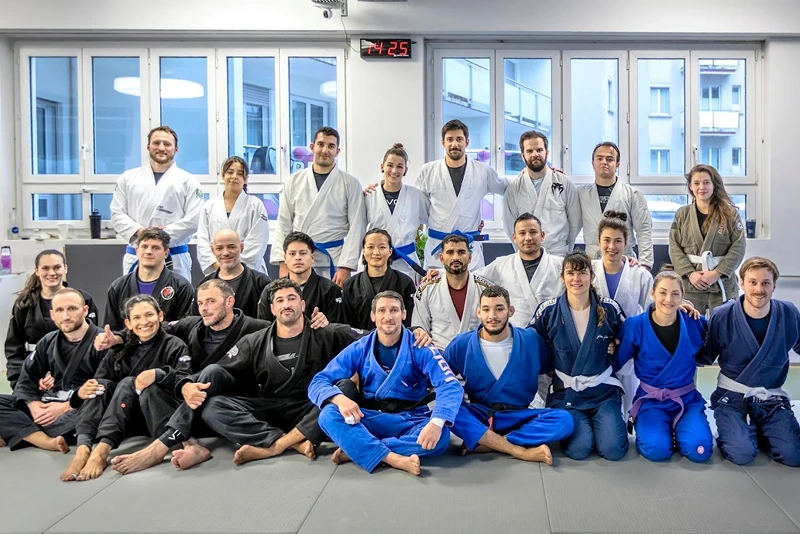
"Is BJJ dangerous?" is the question we hear most before someone's first class, from adults and parents alike. The honest answer: Brazilian Jiu-Jitsu is a contact sport, and like any contact sport it carries some risk of injury. But that risk is very manageable, and in a well-run class it is under control for the vast majority of people.

Why BJJ Is Considered Relatively Controlled
- No striking. BJJ is about rolling, not hitting. The goal is control, not damage.
- The tap. Every submission has a way out: tapping tells your partner to release immediately. It is the single most important safety rule.
- Cooperative learning. Techniques are drilled slowly with a cooperating partner first, and only later against resistance.
- You set the intensity. Good training lets you roll lighter or sit a round out at any time.
What Actually Happens: Common Niggles
Most "injuries" in BJJ are not dramatic events but small, everyday things:
- Sore muscles and bruises in the first weeks, completely normal with a new kind of load
- Tweaked fingers and toes from gi grips
- Stressed knees, necks and shoulders, mostly when techniques are forced rather than done with precision
- Skin problems when hygiene is neglected
More serious injuries are rarer but can never be ruled out entirely. If you have existing complaints or medical conditions, talk to your doctor before you start.
8 Rules for Safe Training
- Tap early. Your ego heals faster than a joint.
- Tell your partner when it is too much. Good training partners adjust.
- Always warm up. It is not filler.
- Roll with technique, not force. Muscling through stresses joints and tires you faster.
- Keep your nails short. It protects your partners from scratches.
- Take hygiene seriously. Shower, wear clean clothes and a freshly washed gi. See our gi care guide.
- Give injuries time. Training through an injury usually means a longer break later.
- Choose the right level. As a beginner, join the beginners class, not advanced sparring.
How We Approach Safety at HOGA
- Beginners Program. Our Beginners Program starts with safety basics, etiquette and controlled movement before light sparring is introduced.
- Clear rules. Our guidelines and etiquette explain how we train together, from hygiene to sparring.
- Kids. The Kids Program focuses on age-appropriate techniques, games and respect.
- Nothing is forced. You decide when you are ready for more.
Frequently Asked Questions
Do I need to be fit to start?
No. The first weeks are about building fitness and body awareness.Will I have to spar on day one?
No. Beginners learn fundamentals first and drill cooperatively.Is BJJ safe for kids?
Kids train in their own age-appropriate classes with a focus on play, technique and respect. More in our Kids Program post.What if I already have an injury or medical condition?
Talk to your doctor before you start and let us know before your first class so we can plan together.
Want to see for yourself? Start your free trial week and tell us beforehand how much experience you have and whether there are injuries or questions, at info@hoga-puls5.com.